

laminated float glass
Understanding Precision Measuring Tools The Backbone of Quality Control In the realm of manufacturing and engineering, precision measuring tools serve as the cornerstone of quality control . From ensuring that components fit perfectly to creating products that meet exact specifications, these tools play a crucial role in various industries, including automotive, aerospace, electronics, and manufacturing. Understanding the significance of precision measuring tools not only highlights their importance but also showcases the technological advancements that have improved their accuracy over time. Precision measuring tools encompass a wide range of instruments designed to measure dimensions, angles, and other physical quantities with high accuracy. Some of the most commonly used tools in this category include calipers, micrometers, dial indicators, and laser measuring devices. Each of these tools has specific applications and is manufactured to facilitate precise measurements in different scenarios. Calipers are versatile measuring instruments that can measure internal and external dimensions, as well as depths. They come in various types, including vernier, dial, and digital calipers, each offering differing levels of precision and ease of use. For example, digital calipers provide a quick and easy-to-read measurement display, making them preferred in fast-paced environments. Micrometers, on the other hand, are often used for measuring small dimensions with remarkable precision. Typically used in mechanical engineering and machining, they can measure the thickness of a material or the outside diameter of a rod. With their capability to provide measurements to the nearest thousandth of a millimeter, micrometers are indispensable in situations where minuscule variations can significantly impact performance. precision measuring tools Dial indicators are another essential tool that measures the displacement of an object. By converting linear displacement into rotational movement, dial indicators help detect minute changes in position, making them ideal for measuring flatness, height variations, and alignment. They are widely employed in quality control processes to ensure components meet stringent specifications before they reach the assembly line. Recent advancements in technology have led to the development of laser measuring devices, which use laser beams to determine distances with exceptional precision. These tools enable users to measure distances without physical contact, minimizing the chance of error and damage to delicate components. Laser measuring devices are especially valuable in construction and large-scale manufacturing settings, where measuring distances quickly and accurately is critical. The importance of precision measuring tools extends beyond mere numbers; they are vital for maintaining product quality and ensuring customer satisfaction. The consequences of inaccurate measurements can be far-reaching, leading to defective products, increased costs, and damaged reputations. By using precise measuring tools, companies can significantly reduce the risk of errors, streamline production processes, and uphold rigorous quality standards. In addition to traditional tools, the rise of automation and digital technologies has transformed the landscape of precision measuring instruments. Many modern devices are equipped with data-logging capabilities, allowing for real-time monitoring and analysis. This shift toward digital measurement not only improves efficiency but also enhances data accuracy, making it easier for manufacturers to identify trends and implement corrective actions promptly. In conclusion, precision measuring tools are essential to the success of various industries. By ensuring accurate measurements, these tools contribute to effective quality control, which ultimately leads to higher standards of production and customer satisfaction. As technology continues to evolve, so do precision measuring tools, bringing new levels of accuracy and efficiency that refine processes and support the industries of the future. Embracing these advancements is essential for businesses that wish to remain competitive in an increasingly precise world.
about
laminated float glass
Slow-Closing Check Valve is a cutting-edge flow control device designed to enhance system efficiency and safety in hydraulic applications. Developed by Storaen (Cangzhou) International Trading Co. , this product combines innovative engineering with robust performance to address critical challenges in fluid dynamics. Below, we explore its core features, technical specifications, and real-world applications. Product Overview The Slow-Closing Check Valve is engineered to control the speed of valve operation, ensuring smooth transitions between open and closed states. This design minimizes the risk of water hammer—a phenomenon caused by sudden pressure surges in fluid systems. The valve's novel structure provides a superior sealing effect, low resistance, and large flow capacity, making it ideal for industrial and commercial applications where precision and reliability are paramount. Key Features and Advantages The Slow-Closing Check Valve stands out due to its advanced functionality and user-friendly design. Here are its primary features: Adjustable Operation Speed: The valve allows users to fine-tune the opening/closing speed to match specific site requirements, optimizing system performance. Water Hammer Mitigation: By slowing the closure process, it effectively reduces pressure spikes, protecting pipelines and equipment from damage. Long Service Life: Constructed with high-quality materials, the valve ensures durability and minimal maintenance over extended periods. Low Flow Resistance: Its streamlined design minimizes energy loss, enhancing overall system efficiency. Large Flow Capacity: The valve supports high-volume fluid movement without compromising on control or safety. Technical Specifications Parameter Details Model 300X Slow-Closing Muffler Check Valve Material Stainless Steel / Cast Iron (depending on application) Pressure Rating Up to 10 MPa (1450 psi) Flow Rate Varies by size; standard models support up to 500 L/min Operating Temperature -20°C to 120°C (-4°F to 248°F) Sealing Type Double-Acting Rubber Seal Adjustment Mechanism Manual or Automatic (via actuator) Applications and Use Cases The Slow-Closing Check Valve is widely used in industries where fluid control is critical. Key applications include: Water Treatment Plants: Prevents backflow and pressure surges in pumping systems. Industrial Pipelines: Ensures safe and efficient fluid transfer in chemical and manufacturing processes. HVAC Systems: Regulates coolant flow to maintain optimal temperature control. Oil and Gas Sector: Mitigates risks associated with high-pressure fluid dynamics. Power Generation: Protects turbines and boilers from water hammer damage. Company Background: Storaen (Cangzhou) International Trading Co. Storaen (Cangzhou) International Trading Co. is a leading supplier of industrial valves and hydraulic components, specializing in innovative solutions for fluid control. Based in Cangzhou, China, the company has established itself as a trusted partner for manufacturers and engineers worldwide. With a focus on quality, reliability, and customer-centric innovation, Storaen delivers products that meet the highest standards of performance and safety. Why Choose Storaen’s Slow-Closing Check Valve? Storaen’s Slow-Closing Check Valve is a testament to the company’s commitment to excellence. By addressing common challenges in hydraulic systems, such as pressure fluctuations and flow inefficiencies, this product offers a cost-effective and long-term solution. Its adjustable design and robust construction make it a versatile choice for diverse applications. For more information on Storaen’s product lineup, visit their official website . Industry Standards and Compliance As highlighted by the National Institute of Standards and Technology (NIST), standards and measurements play a critical role in ensuring the safety and efficiency of industrial equipment. While NIST does not directly regulate check valves, its work in fluid dynamics and pressure measurement provides a foundational framework for manufacturers like Storaen to adhere to. By aligning with these standards, Storaen ensures its products meet global benchmarks for performance and reliability. Conclusion The Slow-Closing Check Valve from Storaen (Cangzhou) International Trading Co. is a prime example of how advanced engineering can solve complex fluid control challenges. With its innovative design, superior performance, and versatile applications, this product is a valuable asset for industries reliant on hydraulic systems. Whether you are managing a water treatment plant, an oil refinery, or an HVAC system, the Slow-Closing Check Valve offers a reliable solution to enhance safety and efficiency. References NIST (National Institute of Standards and Technology) . https://www.nist.gov Storaen (Cangzhou) International Trading Co. . https://www.strmachinery.com
-

High quality industrial productsagement

High quality industrial products
View Details -

Meet the diverse needs of customers

Meet the diverse needs of customers
View Details -

Strict quality control

Strict quality control
View Details -

Top raw materials

Top raw materials
View Details -

Trusted supplier

Trusted supplier
View Details
Our application

news and information
Welding Techniques for Achieving Precision with V Blocks in Fabrication Processes
The Importance of Welding V Blocks in Precision Engineering Welding v blocks are essential tools use

Why the Right Angle Ruler Reigns in Metalworking
In the high-stakes world of metal fabrication, machining, and welding, precision isn't just desirabl
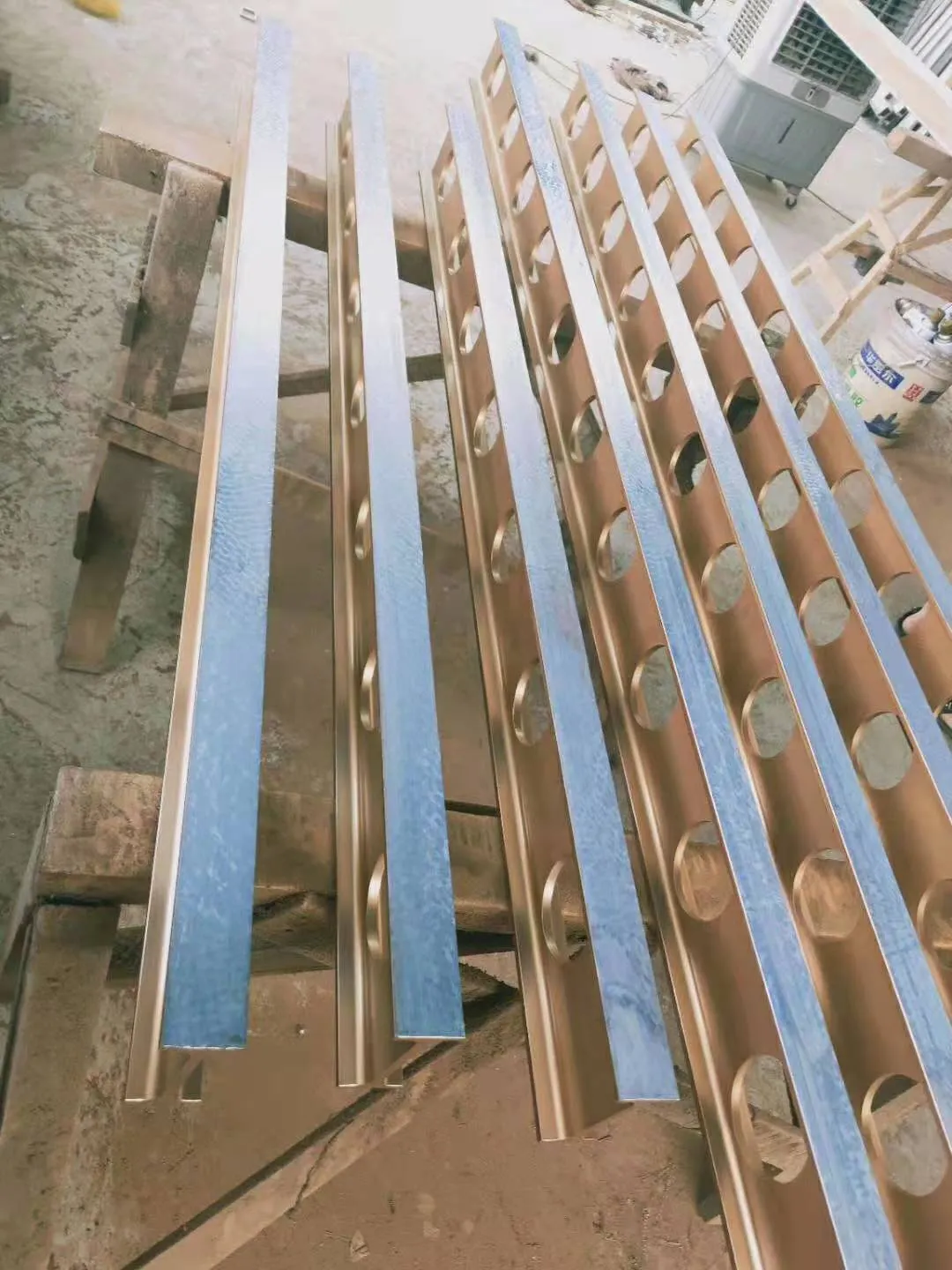
Versatile 3x6 Welding Table for Efficient Metalwork and Fabrication Projects
The Essential Guide to 3x6 Welding Tables Boosting Your Fabrication Skills Welding is an art and a s
 English